The Best Supplements for Sun Protection and Healthy Skin
Sun,24 May 2026 22:17:00- Font Size
- Share Content
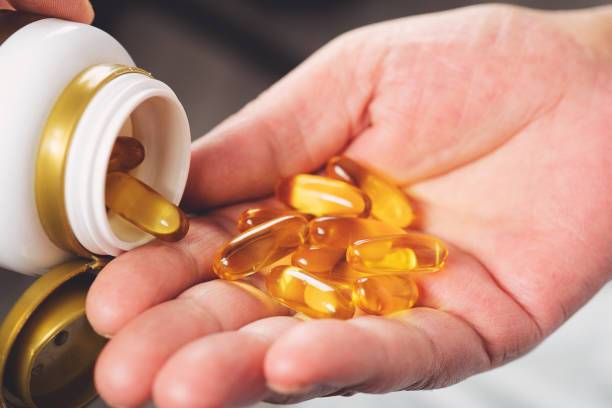
Sun damage does not only happen at the beach. Every day of UV exposure adds to cumulative oxidative stress, photoaging, and long-term skin health risk — and topical sunscreen, while essential, cannot reach the cellular damage happening beneath the surface. That is where the right supplements come in. Decades of peer-reviewed clinical research, published in journals like the Journal of the American Academy of Dermatology, the British Journal of Dermatology, Nutrients, and the American Journal of Clinical Nutrition, show that specific antioxidants taken orally can measurably reduce UV-induced inflammation, protect skin cell DNA, and support long-term skin and eye health. This guide reviews the most evidence-backed supplements for sun protection and healthy skin — what each one does, what research supports it, and how to choose a quality formula that combines them all effectively.
Most people think of sun protection as something they apply, not something they take. But the science of photoprotection has expanded dramatically over the last three decades — and a growing body of clinical research now confirms that certain oral supplements can meaningfully reduce UV-induced damage, slow photoaging, and support both skin and eye health from the inside out.
This is not a list of trendy beauty pills. The supplements covered here have decades of peer-reviewed evidence behind them, with placebo-controlled human trials published in respected dermatology and nutrition journals. They work — but only when chosen, combined, and used correctly.
In this guide, we will walk through the most evidence-backed supplements for sun protection and healthy skin — what each one does, what the research shows, and how to evaluate a product. For a deeper look at how oral and topical protection complement each other, see oral sunscreen vs topical sunscreen. For a science-first deep dive into whether oral photoprotection actually works, read does oral sunscreen really work?.
Why Supplements Matter for Sun Protection
Topical sunscreen is essential — but it has well-documented limitations. Most people apply far too little, miss spots, forget to reapply, and never get full coverage on areas like the scalp, eyelids, lips, and ears. Even perfectly applied SPF 50 still lets 2–3% of UVB through. And no topical product reaches the free radicals that have already begun damaging skin cells once UV penetrates the surface.
That is why dermatologists are increasingly recommending a layered approach: topical SPF on the outside, antioxidant-rich supplementation on the inside. The supplements that work best for this purpose are not random vitamins. They are specific, clinically researched ingredients — most of them derived from plants, foods, and natural sources — that accumulate in skin and eye tissue and provide measurable protection against UV-induced oxidative stress, inflammation, and DNA damage.
The Best Supplements for Sun Protection — A Complete Guide
Here are the most evidence-backed ingredients for oral photoprotection, ranked roughly by depth of clinical evidence.
1. Polypodium Leucotomos Extract
Polypodium leucotomos (PL) is a tropical fern native to Central and South America. Its extract is the single most extensively studied ingredient in oral photoprotection — with over 30 years of clinical research documenting its effects on UV-induced skin damage. A placebo-controlled study published in the Journal of the American Academy of Dermatology demonstrated that PL supplementation significantly reduced UV-induced erythema, decreased DNA damage in skin cells, and increased the skin’s Minimal Erythema Dose.
Additional research published in Photodermatology, Photoimmunology & Photomedicine has shown that PL is effective in managing photosensitive conditions like polymorphous light eruption (PMLE) and solar urticaria. For a full deep-dive on this ingredient, see Polypodium leucotomos benefits for skin and sun protection.
Best for: Anyone wanting comprehensive photoprotection support; people with photosensitive skin or sun-triggered rashes.
2. Astaxanthin
Astaxanthin is a marine-derived carotenoid responsible for the pink color of salmon and certain microalgae. It is one of the most potent antioxidants found in nature — in some standardized assays, measurably more powerful than vitamin C or vitamin E.
A 2017 randomized, placebo-controlled trial published in Nutrients showed that 12 weeks of oral astaxanthin supplementation significantly improved skin moisture, elasticity, smoothness, and reduced markers of UV-induced oxidative stress. Earlier research in Acta Biochimica Polonica also documented its photoprotective effects.
Best for: Anti-aging support, skin elasticity, photoaging prevention.
3. Lycopene
Lycopene is the red carotenoid found in tomatoes and other red fruits. It accumulates in skin tissue and acts as a potent free-radical scavenger. Research published in the British Journal of Dermatology demonstrated that dietary lycopene supplementation reduced UV-induced erythema by approximately 40% in human subjects after 10–12 weeks of consistent intake.
Additional research confirms that lycopene’s photoprotective effect is dose-dependent and accumulative — meaning the longer you take it consistently, the greater the benefit.
Best for: Reducing UV-induced redness and inflammation; supporting skin and cardiovascular health.
4. Lutein and Zeaxanthin
Lutein and zeaxanthin are xanthophyll carotenoids found in marigold flowers, leafy greens, and egg yolks. They are unique among oral photoprotection ingredients because they accumulate in BOTH skin tissue AND the macula of the eye. A double-blind, placebo-controlled study published in Skin Pharmacology and Physiology demonstrated that 12 weeks of oral lutein and zeaxanthin supplementation measurably improved skin hydration, elasticity, and superficial skin lipids while reducing lipid peroxidation.
The landmark AREDS2 study published in JAMA Ophthalmology further established that these carotenoids support long-term eye health and reduce the risk of progression to advanced age-related macular degeneration.
Best for: Dual skin and eye protection; people with high screen-time exposure; anti-aging.
5. EGCG (Green Tea Extract)
EGCG (epigallocatechin gallate) is the primary photoprotective polyphenol in green tea. Multiple clinical and laboratory studies have shown that EGCG reduces UV-induced DNA damage, suppresses inflammatory cytokines, and supports skin cell recovery after UV exposure. Research published in Cancer Prevention Research further documented its role in protecting skin under chronic UV stress.
Best for: DNA-level protection, anti-inflammatory support, anti-aging.
6. Grape Seed Extract (OPCs)
Grape seed extract is rich in oligomeric proanthocyanidins (OPCs) — among the most potent natural free-radical scavengers known. Published research shows that OPCs support skin resilience, protect collagen from UV-induced breakdown, and contribute to anti-inflammatory activity in skin tissue.
Best for: Collagen protection, anti-aging, broad antioxidant support.
7. Vitamin C
Vitamin C is the skin’s primary water-soluble antioxidant — essential for collagen synthesis, free-radical neutralization, and supporting the skin’s natural repair systems. Clinical research has demonstrated that vitamin C reduces UV-induced erythema and supports collagen synthesis in UV-exposed skin. It also regenerates vitamin E, amplifying the body’s overall antioxidant defenses.
Best for: Collagen support, brightening, daily antioxidant defense.
8. Vitamin E
Vitamin E (alpha-tocopherol) is the skin’s primary lipid-soluble antioxidant — concentrated in cell membranes where UV-induced oxidative stress is most damaging. Published research has documented its systemic photoprotective effects, including reduced UV-induced erythema and inhibition of DNA photodamage markers. Its synergy with vitamin C is among the most well-established in nutritional dermatology.
Best for: Cell membrane protection, working synergistically with vitamin C.
9. Omega-3 Fatty Acids (DHA and EPA)
Omega-3 fatty acids are essential polyunsaturated fats with well-documented anti-inflammatory effects. A randomized controlled trial published in the American Journal of Clinical Nutrition showed that oral omega-3 supplementation reduced UV-induced immunosuppression in human skin — suggesting a meaningful chemopreventive role. DHA is also a critical structural component of retinal photoreceptors, making omega-3 a dual-purpose investment in skin and eye health.
Best for: Reducing UV-induced inflammation; supporting skin barrier and retinal health.
10. Beta-Carotene and Mixed Carotenes
Beta-carotene is a precursor to vitamin A and a powerful antioxidant in its own right. Research shows that beta-carotene accumulates in skin tissue and helps protect against UV-induced free-radical damage. Mixed carotenes (including alpha-carotene) provide a broader spectrum of antioxidant coverage than beta-carotene alone.
Best for: General antioxidant support, healthy skin tone, vitamin A precursor function.
11. Zinc
Zinc is a trace mineral that functions as a cofactor in hundreds of enzymatic reactions — including those involved in skin repair, immune function, and DNA synthesis. Research confirms zinc’s importance for skin integrity, wound healing, and resilience against environmental stress.
Best for: Skin repair, immune function, DNA support.
12. Selenium
Selenium is the trace mineral that activates the body’s most powerful antioxidant enzymes — glutathione peroxidase and thioredoxin reductase. Research shows that adequate selenium status is associated with improved antioxidant capacity and skin resilience against oxidative stress. Without adequate selenium, the body’s entire antioxidant enzyme system is impaired.
Best for: Activating the body’s internal antioxidant enzyme systems; long-term skin resilience.
What to Look for in a Quality Sun Protection Supplement
Not every supplement marketed for skin health delivers what it claims. When evaluating a product, look for these signals of quality:
- Comprehensive multi-ingredient formula. Look for products that combine multiple clinically researched ingredients — Polypodium leucotomos, astaxanthin, lycopene, lutein, zeaxanthin, EGCG, grape seed, vitamins C and E, omega-3, mixed carotenes, zinc, and selenium — rather than single-ingredient pills.
- Natural plant and food sources. The most effective and safest oral photoprotection ingredients are derived from botanicals — ferns, marine algae, tomatoes, grapes, green tea, and leafy greens. Avoid synthetic fillers or semi-synthetic polymers like HPMC.
- Clinically effective doses. Ingredients present at sub-clinical doses will not deliver the effects shown in research. Look for standardized extracts at doses consistent with published human trials.
- Made in the USA, FDA-registered facility. GMP manufacturing standards in the United States are among the most stringent in the world.
- NSF certification. NSF certification means independent third-party testing of manufacturing practices, ingredient quality, and product claims — the gold standard for objective quality verification.
- No artificial additives or unnecessary fillers. Quality supplements use only what is needed — no synthetic dyes, artificial flavors, or filler ingredients.
- Third-party testing for purity. Every batch should be screened for heavy metals, contaminants, and other toxins.
Single-Ingredient vs Multi-Ingredient Formulas
A common question is whether one ingredient — say, a pure Polypodium leucotomos capsule — is enough. The answer, based on the research, is no.
UV damage occurs through multiple parallel pathways: free radical generation, inflammatory cytokine release, DNA strand breaks, collagen and elastin degradation, pigmentation changes, and immunosuppression. A single ingredient addresses, at best, two or three of these pathways. A comprehensive multi-ingredient formula targets all of them simultaneously — with different compounds operating in different cellular compartments and tissues.
This is why the most effective oral photoprotection products combine 12 or more clinically researched antioxidants in a single daily capsule. The result is broader, deeper protection than any standalone supplement can deliver.
How to Use Sun Protection Supplements for Best Results
Take it daily, year-round. Antioxidant levels in skin and eye tissue build up gradually with consistent supplementation. Daily intake — even when you’re indoors — keeps your defenses primed.
Pair with a meal containing healthy fat. Many active compounds (carotenoids like lycopene, astaxanthin, lutein, zeaxanthin) are fat-soluble and absorb significantly better when taken with dietary fat.
Start 2–4 weeks before extended sun exposure. Begin supplementation well before a beach vacation or sunny travel so your tissues are saturated when you need them most.
Stay consistent. Skipping days lowers your tissue antioxidant baseline. The full benefits typically emerge between 12 and 16 weeks of consistent use.
Continue using topical SPF and other sun protection. Supplements are the inside layer of a complete strategy — not a replacement for sunscreen, hats, sunglasses, or shade.
Eat a plant-rich diet. Supplements fill the gap, but dietary sources reinforce the foundation. Tomatoes, leafy greens, berries, eggs, fatty fish, green tea, and grape skins all contribute to your systemic antioxidant network.
Who Should Take Sun Protection Supplements?
While anyone can benefit, certain people experience the most noticeable effects:
- People with photosensitive skin conditions such as PMLE, solar urticaria, or chronic sun rashes.
- People with melasma, hyperpigmentation, or uneven skin tone — internal antioxidants reduce UV-triggered melanocyte activation.
- Outdoor enthusiasts, athletes, and travelers — anyone with high cumulative UV exposure.
- Anti-aging-focused individuals — UV is the primary driver of skin aging; oral antioxidants address it systemically.
- People with chemical sunscreen sensitivities — internal protection fills gaps when topical formulas are limited.
- Anyone whose diet is low in plant-based antioxidants — standardized supplements close the gap that diet alone often cannot.
Key Takeaways
- Polypodium leucotomos is the gold standard. A tropical fern extract with 30+ years of clinical research — proven to reduce UV-induced erythema, DNA damage, and photosensitive skin reactions.
- Carotenoids accumulate in skin and eye tissue. Astaxanthin, lycopene, lutein, zeaxanthin, and beta-carotene build up in your body’s tissues with consistent intake — delivering systemic, long-lasting protection no lotion can match.
- Green tea EGCG protects DNA. The primary polyphenol in green tea reduces UV-induced DNA damage and inflammatory cytokine activity in skin cells.
- Vitamins C and E work synergistically. Combined oral supplementation produces up to 4x greater UV protection than either vitamin alone — they regenerate each other inside the body.
- Omega-3, zinc, and selenium round out the system. Omega-3 reduces UV-induced inflammation; zinc supports skin repair; selenium activates the body’s most powerful antioxidant enzymes.
- Multi-ingredient formulas outperform single-ingredient pills. UV damage works through multiple parallel pathways — comprehensive formulas address all of them simultaneously, while single-ingredient supplements cover only one or two.
The Bottom Line
The best supplements for sun protection are not a single magic pill — they are a network of clinically researched antioxidants that work synergistically to protect skin and eyes from the inside out.
Polypodium leucotomos, astaxanthin, lycopene, lutein, zeaxanthin, EGCG, grape seed extract, vitamins C and E, omega-3 fatty acids, beta-carotene, zinc, and selenium each play a distinct role. The most effective products combine all of them in a single daily formula — manufactured to high quality standards, free of artificial additives, and dosed to match published clinical research.
When paired with broad-spectrum topical SPF, protective clothing, and a nutrient-rich diet, this kind of comprehensive supplementation represents the most complete approach to long-term skin and eye health available today.
Our Recommendation
When it comes to choosing an oral sunscreen supplement, quality matters. Not all oral sunscreens are created equal — the best products combine clinically studied ingredients in effective doses, without artificial additives or fillers.
One of our favorite oral sunscreen supplements is Sunsafe Rx — a premium oral photoprotection formula that contains a comprehensive blend of antioxidants, including polypodium leucotomos, astaxanthin, zeaxanthin, lycopene, lutein, grape seed extract, EGCG from green tea, vitamins C and E, selenium, zinc, and omega-3 fatty acids. Sunsafe Rx is free of artificial additives and manufactured in a certified facility in the USA — making it one of the highest quality, healthiest, and most complete oral sunscreen products available.
Disclaimer: The information in this article is for educational purposes only and is not intended as medical advice. Oral sunscreen products are dietary supplements and are not intended to diagnose, treat, cure, or prevent any disease. Individual results may vary. Always consult a qualified healthcare professional for personalized medical guidance before starting any new supplement — particularly if you are pregnant, breastfeeding, taking prescription medications, or managing a medical condition. Oral photoprotection is most effective when used as part of a comprehensive sun protection routine that includes broad-spectrum topical sunscreen, protective clothing, and sun avoidance during peak hours — not as a standalone measure.
Frequently Asked Questions
Q1: What is the single best supplement for sun protection?
In single-ingredient terms, Polypodium leucotomos extract has the strongest body of clinical evidence — with 30+ years of placebo-controlled trials published in dermatology journals. But the most effective overall strategy is a comprehensive multi-ingredient formula that combines PL with astaxanthin, lycopene, lutein, zeaxanthin, EGCG, grape seed extract, vitamins C and E, omega-3, mixed carotenes, zinc, and selenium.
Q2: How long before I see results from sun protection supplements?
Antioxidant levels in skin tissue begin rising within days, but clinically meaningful effects typically emerge after 4 weeks of consistent supplementation. Optimal benefits — including visible skin tone improvements, reduced UV reactivity, and improved hydration — are usually achieved between 12 and 16 weeks.
Q3: Can supplements replace my sunscreen?
No. Oral supplements are designed to complement, not replace, topical SPF. Topical sunscreen blocks UV at the skin surface; supplements reduce the cellular damage from UV that gets through and support overall skin and eye health. Both are needed.
Q4: Are sun protection supplements safe for long-term daily use?
Yes. The ingredients in quality formulas come from natural food and plant sources with well-established safety profiles. They have been studied for decades without significant adverse effects. As with any supplement, consult a healthcare provider if you are pregnant, breastfeeding, or taking prescription medications.
Q5: Can I get these antioxidants from food alone?
A nutrient-dense diet is foundational and strongly recommended. However, the doses used in clinical photoprotection studies — for example, 10–20 mg of lutein, 5–10 mg of lycopene, 4 mg of astaxanthin — are difficult to achieve through food alone consistently. A standardized supplement ensures you get clinical-strength doses every day.
Q6: Do these supplements help with melasma or hyperpigmentation?
Yes — indirectly. UV-triggered pigmentation responds to antioxidant defense; reducing oxidative stress reduces melanocyte activation. Many people with melasma or hyperpigmentation report slower triggering of new dark spots when using comprehensive oral antioxidant supplements consistently.
Q7: Are these supplements safe with prescription medications?
Generally yes, but always check with your healthcare provider — especially if you take blood thinners, immunosuppressants, or photosensitizing medications. Some antioxidants can interact with specific drugs.
Q8: What is the difference between Polypodium leucotomos and other antioxidants?
Polypodium leucotomos is unique because it not only neutralizes free radicals like other antioxidants — it also has documented effects on skin cell DNA repair and immune modulation. The other antioxidants on this list each contribute different complementary mechanisms; together, they create a more complete defense network than any single ingredient can.