PMLE (Polymorphous Light Eruption): Causes, Prevention & Treatment
Tue,04 Aug 2026 12:37:00- Font Size
- Share Content
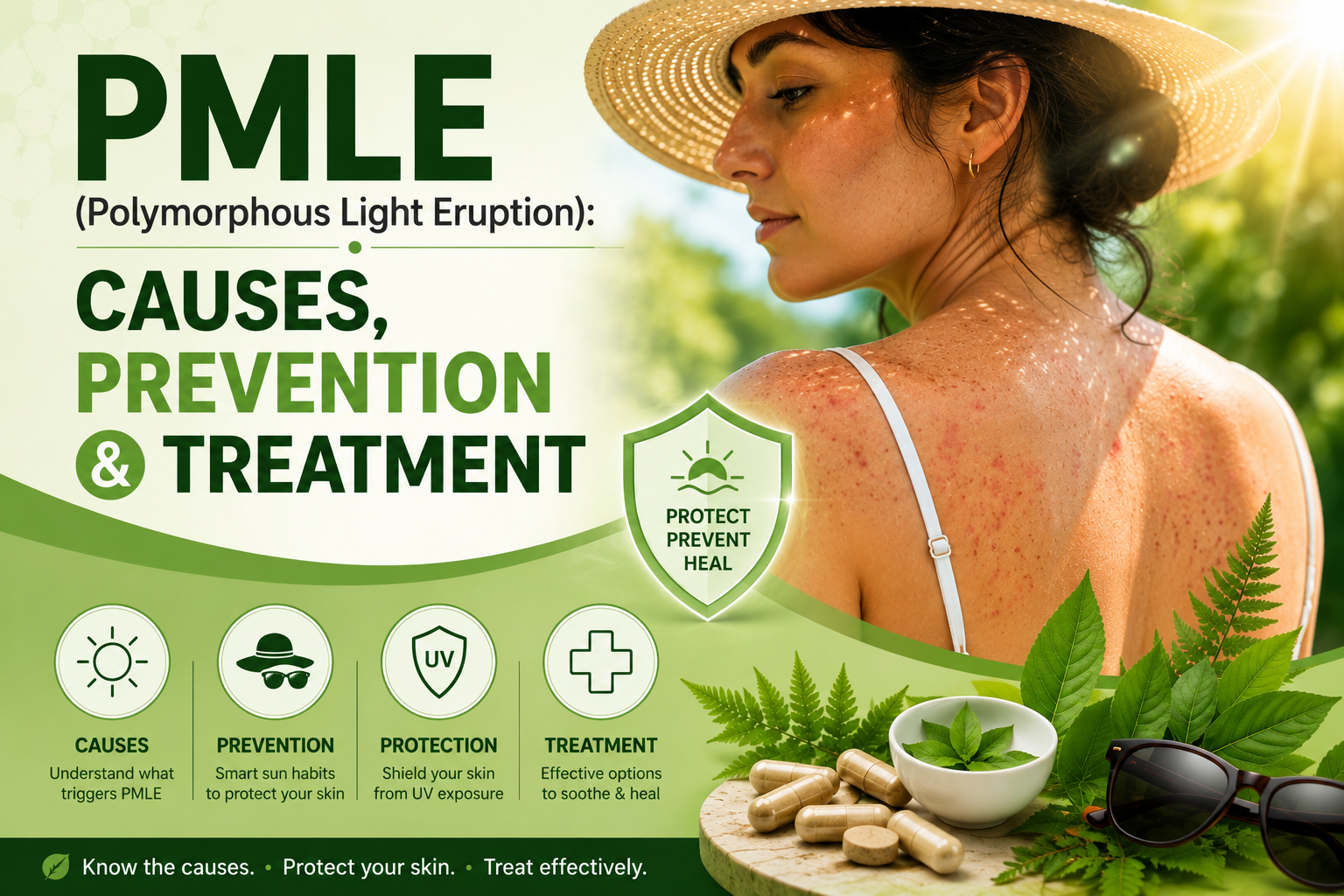
For many people, the arrival of sunny days means spending more time outdoors. But for others, even a short period of sun exposure can lead to an itchy, uncomfortable rash known as polymorphous light eruption (PMLE).
PMLE is one of the most common forms of photosensitivity, affecting people worldwide—particularly those with lighter skin tones and individuals who experience intense sun exposure after long periods indoors. While PMLE is not life-threatening, it can significantly affect quality of life by limiting outdoor activities and causing recurring discomfort every spring or summer.
Fortunately, understanding what causes PMLE and taking proactive preventive measures can help reduce flare-ups. Along with protective clothing, broad-spectrum sunscreen, and gradual sun exposure, researchers have explored the role of oral antioxidant supplements in supporting the skin's natural defense mechanisms against UV-induced oxidative stress.
In this guide, we'll explain everything you need to know about PMLE, including its symptoms, causes, treatment options, and the latest research on internal skin protection.
What Is PMLE (Polymorphous Light Eruption)?
Polymorphous Light Eruption (PMLE) is a delayed abnormal skin reaction triggered by ultraviolet (UV) radiation, primarily from sunlight.
The term "polymorphous" means "many forms," because the rash can appear differently from person to person. Some individuals develop tiny red bumps, while others experience raised plaques, blisters, or patches of irritated skin.
PMLE typically appears:
- Within several hours to two days after sun exposure
- On areas newly exposed to sunlight
- During spring or early summer
- After vacations to sunny climates
- Following sudden increases in UV exposure
Unlike sunburn, PMLE is believed to involve an immune system response to UV-altered skin cells rather than direct skin damage alone.
Common Symptoms of PMLE
Symptoms vary among individuals but usually include:
- Itchy skin
- Small red bumps
- Raised patches
- Tiny blisters
- Burning sensation
- Skin tenderness
- Swelling in affected areas
The rash most commonly appears on:
- Chest
- Neck
- Shoulders
- Arms
- Hands
- Legs
Interestingly, the face is often spared because it receives regular sun exposure throughout the year and gradually develops greater tolerance.
Symptoms usually resolve within several days to two weeks, provided additional sun exposure is avoided.
What Causes PMLE?
Although researchers have not identified one exact cause, PMLE appears to result from several interacting factors.
1. UV Radiation
Both UVA and UVB rays can trigger PMLE.
When UV rays penetrate the skin, they generate reactive oxygen species (ROS)—unstable molecules that increase oxidative stress and may alter skin proteins.
In susceptible individuals, the immune system mistakenly recognizes these altered skin components as foreign and initiates inflammation.
2. Immune System Response
PMLE is considered an immune-mediated condition.
Instead of developing normal tolerance to sunlight, the immune system overreacts, leading to inflammation and rash formation after UV exposure.
3. Genetic Factors
PMLE tends to occur more frequently in families, suggesting genetics may increase susceptibility.
Not everyone exposed to the same amount of sunlight develops PMLE.
4. Sudden Sun Exposure
Many people experience PMLE after:
- Winter ends
- Spring vacations
- Beach holidays
- Ski trips at high altitude
- Tropical travel
The skin has had little recent UV exposure, making it more reactive.
Who Is Most at Risk?
PMLE is more common among:
- Women between ages 20–40
- Individuals with fair skin
- People living in northern climates
- Those with a family history of PMLE
- Individuals who spend most of the year indoors
- Travelers visiting sunny destinations
However, PMLE can affect people of every skin tone.
How Is PMLE Diagnosed?
Dermatologists usually diagnose PMLE based on:
- Medical history
- Timing of the rash
- Appearance of lesions
- Distribution on sun-exposed areas
Sometimes additional testing may be recommended to rule out:
- Lupus
- Solar urticaria
- Contact dermatitis
- Drug-induced photosensitivity
- Other photodermatoses
Phototesting may occasionally be performed in specialized clinics.
How to Prevent PMLE
Preventing flare-ups is often easier than treating them after they develop.
1. Use Broad-Spectrum Sunscreen
Daily application of a broad-spectrum SPF 30 or higher sunscreen helps reduce UV exposure.
Remember to:
- Reapply every two hours
- Reapply after swimming
- Cover all exposed skin
- Use enough product
2. Wear Protective Clothing
Protective clothing provides an additional physical barrier against UV rays.
Helpful options include:
- Wide-brim hats
- Long sleeves
- UPF-rated clothing
- Sunglasses
- Lightweight pants
3. Increase Sun Exposure Gradually
Rather than spending several hours outdoors after months inside, gradually increase sun exposure over several weeks.
Some dermatologists may also recommend medically supervised phototherapy before sunny seasons to build tolerance.
4. Avoid Peak UV Hours
Whenever possible, reduce direct sun exposure between:
10:00 AM and 4:00 PM
when UV intensity is generally strongest.
5. Support Skin from Within
Growing research suggests that oral antioxidant supplements like Sunsafe Rx may help support the skin's natural defenses against oxidative stress associated with UV exposure.
It's important to understand that these supplements are not sunscreens and should never replace topical SPF. Instead, they may complement a comprehensive sun protection routine.
The Role of Oxidative Stress in PMLE
One reason PMLE develops may involve oxidative stress.
UV radiation increases the production of:
- Free radicals
- Reactive oxygen species
- Inflammatory mediators
When antioxidant defenses become overwhelmed, skin inflammation may increase.
Researchers have therefore investigated antioxidants that help neutralize oxidative stress before it contributes to inflammatory pathways.
Oral Antioxidants Being Studied for Skin Protection
Several naturally occurring antioxidants have been studied for their ability to support healthy skin during UV exposure.
These include:
Polypodium leucotomos
One of the most extensively researched botanical extracts.
Studies suggest that ingredients containing Polypodium leucotomos have been shown to support the skin's natural response to UV-induced oxidative stress and may help reduce sensitivity to sunlight when used alongside traditional sun protection measures.
Astaxanthin
Astaxanthin is a powerful carotenoid antioxidant.
Research indicates it may help:
- Support skin elasticity
- Reduce oxidative stress
- Protect cellular structures
- Promote healthy skin appearance
Lycopene
Found naturally in tomatoes, lycopene accumulates within the skin.
Research suggests that dietary lycopene may help reduce oxidative stress caused by UV exposure.
Green Tea Extract (EGCG)
Epigallocatechin gallate (EGCG) has demonstrated antioxidant and anti-inflammatory properties in numerous laboratory studies.
Researchers continue exploring its role in supporting healthy skin responses to environmental stress.
Vitamins A, C and E
These well-known antioxidants work together to help neutralize free radicals and support healthy collagen production.
Can Oral Supplements Prevent PMLE?
Current evidence suggests that certain antioxidant ingredients may help support the skin's resilience to UV exposure, but no oral supplement is approved to prevent or treat PMLE on its own.
Instead, dermatologists often view oral antioxidant supplementation as one part of a broader prevention strategy that also includes:
- Sunscreen
- Protective clothing
- Shade
- Gradual UV exposure
- Healthy skincare habits
Important: Oral supplements should never replace sunscreen or other proven sun protection methods.
Treatment Options for PMLE
If PMLE develops, treatment focuses on reducing symptoms and controlling inflammation.
A healthcare provider may recommend:
Topical Corticosteroids
Prescription creams may help reduce redness and itching.
Oral Antihistamines
These may help relieve itching in some individuals.
Cool Compresses
Applying cool, damp cloths may soothe irritated skin.
Moisturizers
Gentle fragrance-free moisturizers help restore the skin barrier.
Phototherapy
For individuals with severe recurring PMLE, dermatologists sometimes recommend controlled UV exposure before spring to build skin tolerance.
Oral Medications
In more severe or persistent cases, healthcare providers may prescribe additional medications depending on individual circumstances.
Lifestyle Tips to Reduce Future Flare-Ups
Simple daily habits can make a meaningful difference.
- Apply sunscreen every day.
- Wear UPF clothing outdoors.
- Seek shade whenever possible.
- Stay hydrated.
- Eat a diet rich in colorful fruits and vegetables.
- Consider dermatologist-recommended antioxidant supplementation.
- Avoid sudden intense sun exposure after long indoor periods.
- Monitor medications that may increase photosensitivity.
When Should You See a Doctor?
Seek medical evaluation if:
- The rash is severe or painful.
- Blisters become widespread.
- Symptoms continue for several weeks.
- The rash occurs without sun exposure.
- Fever or signs of infection develop.
- You experience repeated seasonal flare-ups.
A dermatologist can confirm whether PMLE is the cause and recommend the most appropriate treatment plan.
Final Thoughts
Polymorphous Light Eruption (PMLE) is a common photosensitivity condition that can make outdoor activities uncomfortable, especially during the first sunny months of the year. Although the exact cause involves a complex interaction between UV exposure, oxidative stress, and the immune system, many people can effectively reduce flare-ups with a combination of preventive strategies.
Daily use of broad-spectrum sunscreen, protective clothing, gradual acclimatization to sunlight, and guidance from a dermatologist remain the foundation of PMLE management. Emerging research also suggests that the ingredients in certain oral antioxidant supplements have been shown to support the skin's natural defenses against UV-induced oxidative stress, making them a valuable complement—not a replacement—for traditional sun protection practices.
By taking an inside-out approach that combines topical protection, healthy lifestyle habits, and scientifically studied antioxidant ingredients, individuals with PMLE may be better equipped to enjoy time outdoors while supporting overall skin health.
Disclaimer: Oral sunscreen supplements are dietary supplements and are not intended to diagnose, treat, cure, or prevent any disease. They should be used as part of a comprehensive sun protection strategy that includes broad-spectrum sunscreen, protective clothing, and sensible sun exposure practices. Always consult a qualified healthcare professional before starting any new supplement or if you have concerns about your skin health.